
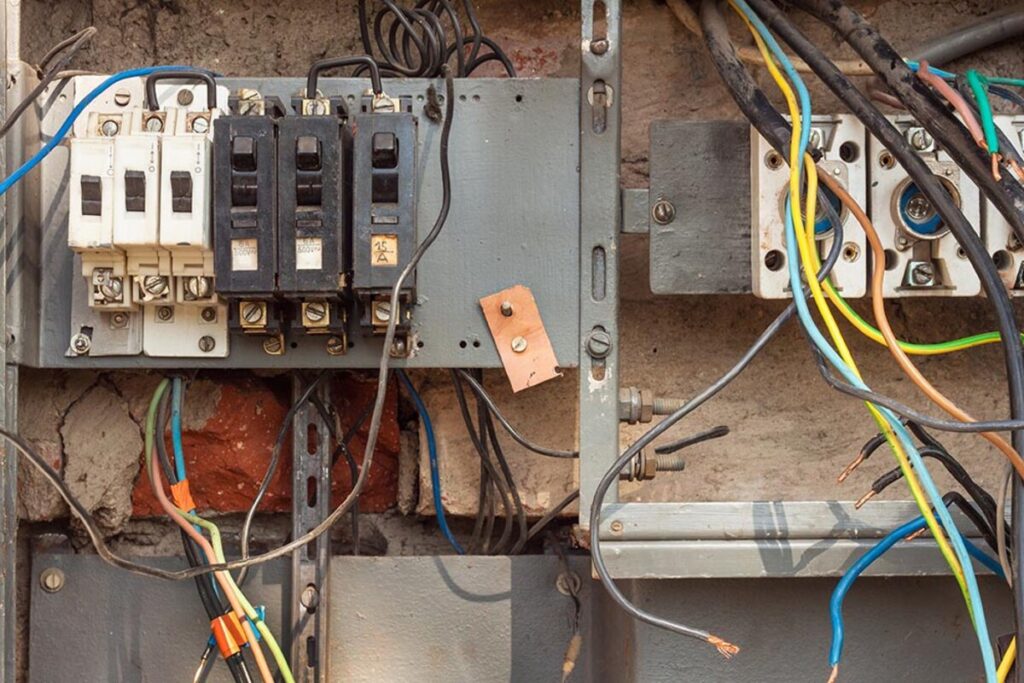
Flickering lights, warm outlets, and tripping breakers are all signs your wiring needs attention. What seems minor can quickly become a fire hazard or cause serious injury. Since electrical problems are one of the top causes of house fires, wiring safety should be every homeowner’s priority.
These issues don’t just affect older homes—even newer houses can hide risks that only a trained electrician can spot. DIY fixes aren’t the answer.
In this guide, we will highlight seven key signs it’s time to call a professional electrician and protect your home.
1. Lights Flicker or Dim Without Warning
When your lights just flicker and/or dim without you turning off and on you can usually bet that something is not right in your electricity. It may indicate that the wiring is overloaded, in disrepair or is beginning to fail behind walls. At first it might appear a small thing but neglecting it can become a quite large issue.
Some common causes include:
- Loose or damaged wiring – Poor connections anywhere in the circuit can cause power to flow unevenly.
- Overloaded circuits – If your lights dim when you turn on large appliances, your wiring may not be handling the demand.
- Faulty switches or fixtures – The problem isn’t always the bulb. A bad switch or loose wiring inside a fixture can cause flickering.
- Voltage fluctuations – Sudden spikes or drops in power may be linked to worn or incorrectly installed wiring.
Don’t dismiss flickering lights as just a bulb issue—especially if it happens in multiple rooms. Inconsistent lighting is a red flag that electricians watch for because it can lead to serious hazards.
If your lights flicker often or dim when appliances are running, it’s recommended to call a licensed electrician. Catching the issue early can save you from costly repairs—or worse, an electrical fire.
2. Outlets Feel Warm or Make Buzzing Sounds
An outlet should never feel hot to the touch, and it should never make noise. If you notice warmth, buzzing, or even crackling from an outlet or behind a wall, it’s a clear sign of a wiring problem that needs immediate attention.
Common causes include:
- Loose connections – When wires aren’t secure, electricity can arc between gaps instead of flowing smoothly, creating heat and noise.
- Overloaded circuits – Plugging too many high-powered devices into one outlet can push the wiring past its limit, leading to overheating or even fire.
- Old or damaged wiring – In older homes, wiring may not meet current safety standards. Wear, pests, or poor installation can weaken insulation and connections.
- Faulty outlets – If the outlet itself is worn out or damaged, it may not be able to handle a normal electrical load anymore.
These issues may seem minor at first, but they can quickly turn into serious electrical hazards. A warm or noisy outlet is not something you should ignore or try to fix on your own.
It’s recommended to call Expert GTA for a professional electrical inspection. Our licensed electricians can quickly find the source of the problem and ensure your home’s wiring is safe and up to code—before it leads to bigger trouble.
3. Circuit Breakers Trip Too Often
Circuit breakers are designed to keep your home safe by shutting off power when the electrical current goes beyond safe limits. But if you find yourself resetting the same breaker again and again, that’s not normal—it’s a clear sign of a wiring issue that needs attention.
Frequent tripping usually points to:
- Overloaded circuits – Too many devices on one circuit can overwhelm it. This often happens in kitchens, home offices, or rooms with portable heaters or AC units.
- Short circuits – When a hot wire touches a neutral or ground wire, it creates a sudden surge of current—breakers trip instantly to prevent fire or damage.
- Ground faults – Similar to short circuits, but these often occur in damp areas like bathrooms, garages, or outdoor outlets.
- Worn or damaged wiring – Old insulation, pest damage, or poor installation can cause unstable current flow and repeated breaker trips.
Simply resetting the breaker only fixes the symptom—it doesn’t fix the cause. Behind the panel, wiring may be overheating, connections could be failing, or circuits might not be built for today’s electrical demands.
That’s why it’s recommended to call Expert GTA for a professional inspection. Our trained electricians will inspect your panel, trace the wiring load, and identify the root of the problem before it escalates into a bigger hazard.
4. Burning Smell or Scorch Marks Around Outlets
If you ever notice a burning smell and can’t find the source, check your outlets. A faint odor of melting plastic or singed wiring is a serious warning sign. The same applies if you see scorch marks, discoloration, or brown streaks on the outlet faceplate. These are signs that heat is building up where it shouldn’t—and the risk of an electrical fire is very real.
Common causes include:
- Loose or corroded wiring – Gaps in wiring connections can cause electricity to arc, creating heat that melts insulation or scorches outlets.
- Overloaded circuits – Pulling too much power from one outlet can push the wiring past safe limits and cause overheating.
- Faulty receptacles – Worn-out outlets may not grip plugs properly, leading to resistance, heat, and long-term damage.
- DIY wiring mistakes – Unsafe or unskilled electrical work often leaves behind poor connections that can overheat.
By the time you notice scorch marks or smell burning, the issue has likely been ongoing for some time. Ignoring it puts your home at risk of fire, damaged equipment, or even injury.
Don’t try to cover the marks or mask the smell. It’s recommended to call Expert GTA right away. Our licensed electricians will find the source of the heat, repair faulty wiring, and ensure your outlets are safe before the problem worsens.
5. Relying on Extension Cords Every Day
Extension cords are useful for temporary setups—but they’re not meant to be a permanent solution. If you’re using them every day to power lamps, TVs, computers, or even kitchen appliances, it’s a clear sign your home doesn’t have enough outlets or proper wiring to handle your needs.
This habit can create several risks:
- Overloaded circuits – Plugging too many devices into one extension cord can overwhelm the circuit, leading to overheating or frequent breaker trips.
- Physical damage – Cords can easily get pinched behind furniture, bent under rugs, or worn down over time, all of which increase fire hazards.
- Improper use – Daisy-chaining cords, using indoor cords outdoors, or connecting too many devices without checking limits can all lead to dangerous situations.
- Outdated wiring – Older homes often lack enough outlets for today’s modern lifestyle. If that’s the case, the wiring inside the walls may also need an upgrade.
Instead of depending on extension cords, it’s recommended to call Expert GTA for a professional electrical inspection. Our licensed electricians can install new outlets, add dedicated circuits, and upgrade your electrical panel if needed—so your home safely supports your daily power demands.
6. Old or Aluminum Wiring Still in Use
If your home was built before the mid-1970s and the wiring hasn’t been updated, there’s a good chance you may have outdated or even hazardous wiring behind the walls. Aluminum wiring, once standard, is now known to be a serious fire risk.
Here’s why aluminum wiring is unsafe:
- Expansion and contraction – Aluminum expands and contracts more than copper, which loosens connections over time and causes dangerous arcing (sparks).
- Corrosion issues arise when aluminum is joined with copper or other metals, causing it to corrode faster and leading to resistance and heat buildup.
- Weaker material – Aluminum is softer than copper, making it easier to nick or crush during installation or remodeling.
- Aging insulation – Old wiring insulation may no longer meet today’s safety standards and could be breaking down due to age and heat.
The danger with aluminum wiring is that problems often start quietly, inside the walls or near outlets. By the time you notice visible damage, the risk of fire may already be present.
If you suspect your home has aluminum wiring, it’s recommended to call Expert GTA for a professional electrical inspection. Our licensed electricians can determine if your wiring is safe, up to code, and able to handle modern electrical needs. In some cases, complete rewiring may be required, while in others, safer copper pigtails and specialized connectors can reduce risks without major renovations.
7. Your Home Has a History of DIY Electrical Repairs
If you or a previous homeowner have ever attempted to fix wiring using just a screwdriver and a YouTube video, it’s time to pause. DIY electrical work is one of the biggest reasons people call us—and for good reason. Wiring mistakes aren’t just inconvenient; they’re dangerous.
Here’s what we often find after DIY electrical repairs:
- Loose connections – Wires not appropriately secured can cause arcing, heat buildup, and fire hazards.
- Wrong wire sizes – Using the wrong gauge wire can overload the circuit, causing breakers to trip—or fail altogether.
- Improper grounding – Missing or faulty grounding greatly increases the risk of shocks, especially in bathrooms, kitchens, and outdoor spaces.
- Overfilled boxes or messy panels – Amateur wiring often results in overcrowded junction boxes or tangled wires, making future repairs more hazardous.
Even if everything seems fine now, DIY wiring mistakes often hide behind walls and outlets. They don’t always cause problems right away, but over time, they can overheat, trip breakers, or spark unexpectedly.
Don’t assume that just because the lights work, the wiring is safe. It’s recommended to call Expert GTA for a professional electrical inspection. Our licensed electricians can spot hidden hazards, fix unsafe connections, and bring your system up to code—so you can feel confident your home is safe.
Call the Experts Who Know Wiring Best
Electrical problems should never be ignored. Whether you’re noticing flickering lights, warm outlets, or wiring that doesn’t feel safe, it’s time to call Expert GTA. Our licensed electricians know how to spot issues quickly, fix them properly, and keep your home safe.
Don’t wait for a small problem to turn into a costly emergency. Contact Expert GTA today at 647-409-1488 for reliable electrical service and peace of mind knowing your home is in expert hands.
FAQs
Q1: What are the signs of an outdated electrical panel?
Outdated panels often have low amperage (60–100 amps), use old fuses instead of breakers, or show warning signs like rust, buzzing, or heat. If your panel is over 25 years old or your breakers trip often, it’s time for an inspection. An older panel may not safely support today’s modern appliances and devices.
Q2: Can bad wiring damage my appliances?
Yes. Faulty wiring can cause voltage drops, surges, and inconsistent current flow. This not only increases fire risk but can also damage or shorten the lifespan of sensitive electronics such as TVs, computers, and kitchen appliances. Safe, reliable wiring protects your home and your devices.
Q3: Are GFCI outlets required everywhere?
GFCI outlets (ground fault circuit interrupters) are required in areas with moisture, like bathrooms, kitchens, laundry rooms, garages, and outdoor spaces. If your home doesn’t have GFCIs in these spots, it’s recommended to call Expert GTA for an upgrade. GFCIs are an essential safety feature that protects against electrical shocks.