
Most homeowners don’t give much thought to their electrical system—until the lights go out. When the power unexpectedly goes off you always tend to go to your electrical panel first and switch back and forth to get electricity. So what do you do when that hack isn’t a solution?
Your circuit breaker is the center of the electrical safety of your home, as it will safeguard you against excessive loads, short circuiting and possible fire risks. With time, such breakers may become old, malfunction and not be able to cope up with the current electricity needs.
That’s where Expert GTA comes in. We specialise in circuit breaker repairs, replacements, and upgrades to ensure your home remains safe and operates smoothly. This guide will help you understand how circuit breakers work, why they’re so important, and when it’s time to call a licensed electrician for professional help.
What is a Circuit Breaker?
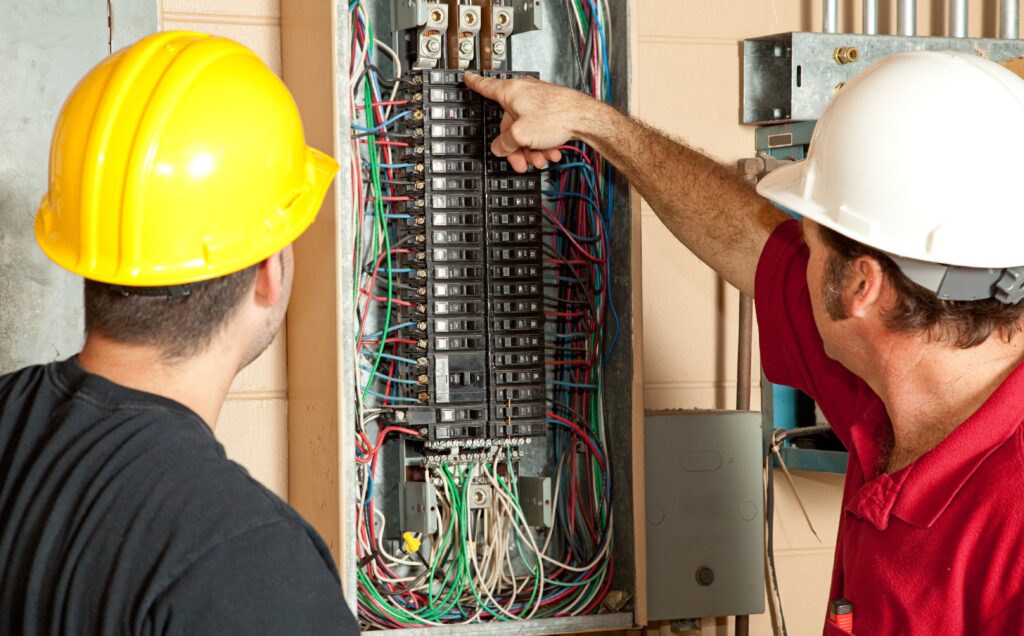
A circuit breaker is an important safety device in your home’s electrical system. It automatically stops the flow of electricity when there’s too much current or a short circuit. This helps protect your home from damage and keeps you and your belongings safe.
Think of the circuit breaker panel as a safety switch. When too much power is flowing through the wires the breaker will activate and turn off the electric power to prevent electrical-related dangers, including fires or electric shocks.
As soon as you get the problem fixed, it is not hard to turn the breaker back on by flipping the switch to the on position. Circuit breakers are designed to eradicate overloading, and reduce the number of serious electrical problems to your home.
How Does a Circuit Breaker Work?
With a circuit breaker, you can be confident that your home will be safe because the supply of electricity will not flow when it contains excess current. In the event of an overload or short-circuit, the breaker trips fast and closes the circuit. This measure will ensure that your appliances and wiring are not damaged and that you do not risk the possibility of electrical fire.
When the breaker flows, it eliminates power to your entire house or only that outlet or section. When you find yourself with high frequency overloads, or when your breaker panel is aging, breakers that are inside may begin to wear. Replacing them in these situations is a way of ensuring your electrical system operates safely and without failures.
Types of Circuit Breakers
Homes use different types of circuit breakers, each designed for specific safety needs:
1. Standard Circuit Breakers:
The most predominant breakers in electrical panels are these. They guard against overloads and short circuits. The standard breakers are of varying amp ratings, to suit the requirements of various circuits of your home.
2. Ground Fault Circuit Interrupters (GFCIs):
GFCIs guard against electrical shocks in wet spaces, such as in the bathrooms and kitchen. They stumble on electric current in an unsafe direction that usually passes through an individual and interrupts the power supply instantly.
3. Arc Fault Circuit Interrupters (AFCIs):
By stopping electrical fires developed as a result of arcing, where the electricity jumps on a damaged or loose wire, AFCIs work. Such breakers can be found commonly in bedrooms and living rooms.
4. Residual Current Circuit Breakers (RCCBs):
RCCBs guard against ground fault-currents and may be installed as single units or together with GFCIs.
Why Are Circuit Breakers Important?
Circuit breakers are an important part of keeping your home and making your electrical system run smoothly. They offer a number of indispensable advantages:
- Fire Prevention: In order to help prevent electrical fires, breakers are tripped when circuits are overloaded.
- Shock Protection: Special breakers such as GFCI and AFCI guard the people against hazardous electrical shocks in outlets and appliances.
- Protection of Appliances: Circuit breakers inhibit power surges and overloads to make your appliances live longer and avoid damage.
- Code Compliance: There are building codes such as the National Electric Code (NEC) that may require a particular form of breakers in certain locations so as to provide safety and legal standards.
Common Circuit Breaker Problems
Circuit breakers can develop problems over time. Here are some common signs that your breaker may need attention:
- Frequent tripping (breaker keeps shutting off)
- Burning smell near the panel
- Visible damage or scorch marks
- Breaker feels hot to the touch.
- The breaker won’t reset after tripping.
- Flickering lights in your home
- Power fluctuations or surges
- Buzzing or crackling sounds from the breaker box
When you think of any of these warning signs, it is advisable to check your circuit breaker or replace it.
In most situations, renovating your old breaker panel is more appropriate than repairing it. Another breaker would provide you with a better capacity to serve your home with the use of modern appliances and increase the protection against electrical risks.
Neglecting a faulty breaker will cause great headaches, such as electrical fire outbreaks, and loss of expensive appliances. The main idea of having a safe and efficient home is to know when to change your breaker.
The Circuit Breaker Replacement Process
Circuit breaker replacement follows a series of critical procedures in order to be safe and installed correctly:
- Turn Off the Main Power: By disconnection of the main power supply, the chances of electric shock in the process of replacement are minimized.
- Remove the Panel Cover: After turning off the power, panel door or cover is lifted with great care to the breakers.
- Remove the Faulty Breaker: The disconnection of the old breaker is done, the breaker removed without interfering with the adjacent wiring.
- Install the New Breaker: The new breaker is placed and attached to wires appropriately and firmly.
- Test the Breaker: The main power is again turned on under the check of whether the breaker is functioning properly or not.
Important: These steps are for informational purposes only. Always hire a licensed electrician for circuit breaker replacements to ensure safety and compliance with electrical codes.
Can You Repair a Circuit Breaker?
Most circuit breakers can be reset as opposed to fuses that have to be replaced when they trip. Nevertheless, you should not repair a circuit breaker yourself. Electricity can be hazardous and must never be handled by a lay person or a lay electrician.
There is a difference between resetting a tripped breaker and repairing or replacing a faulty breaker:
Resetting a Tripped Breaker
You can usually reset your breaker yourself, should it trip. Simply switch the switch back on. This tends to fix short term problems, e.g. minor surges or overloads.
Repairing or Replacing a Faulty Breaker
Modern breakers are generally not designed to be repaired. If your breaker trips frequently, shows signs of burning, melting, or damage, it’s recommended that you replace it. A qualified electrician should always do this job to ensure safety and compliance with electrical codes.
Do You Need to Replace Your Damaged Circuit Breaker?
Replacing a damaged circuit breaker is crucial to maintaining your home’s safety and ensuring your electrical system operates efficiently.
Circuit breakers act as the first line of defence against electrical overloads. They halt the overheating of wires when they come in contact and they prevent fire by electricity.
But, with time, the wear and tear of breakers may occur or they may be less efficient. A faulty or aged breaker could not work when required posing a great safety hazard. Installing the replacement of the faulty breakers makes sure that your home is not affected by electrical faults.
Your electrical capacity in your home can also be enhanced by upgrading your breakers. As more appliances, computers, and smart devices find their way into the households, older model breakers might not cope. Installing modern, higher-capacity breakers can enhance the safety and reliability of your electrical system.
Common Warning Signs You Need to Replace Your Circuit Breaker
A broken circuit breaker has to be changed; otherwise, your home will not be safe. Be aware of the following danger signs:
- Recurrent Tripping: When your breaker has been tripping, then it might not be able to sustain your electrical needs at home anymore. This frequently implies it is exhausted and ought to be substituted.
- Burning Smell: A burning odour near your breaker panel signals overheating. This is a severe fire hazard and must be replaced.
- Observable Damage: You can determine that the breaker is not working and will not be able to support your home by seeing cracks or scorch marks or any other physical signs of damage.
- Old Age: Most breakers last 15–30 years. The older they get, the better to replace them and make sure that it is safe and efficient.
- Flickering Lights or Power Surge: A flickering lights or changing power supply could be a signal that your breaker has a problem. When resetting fails, the replacement is advised.
- Won’t Reset: A breaker that does not want to remain in the on position probably has worn out internal components, and requires replacement.
Benefits of Replacing Your Circuit Breaker
The cost of replacing an old or faulty circuit breaker might appear like an unnecessary expense, but it has some serious advantages that ensure that your home is safe and your electrical system is operating at its best. Early solutions to the problems of breakers can spare you some risky situations and avoid costly repairs in the future.
1. Enhanced Home Safety
New circuit breakers minimise risk of electrical fire by cutting off power in case of fault or overload to avoid overheating and possible dangers.
2. Better Electricity Efficiency.
In the current higher power requirements, modern breakers are constructed to take up the higher power requirements. An upgrade will make sure that your electricity supply is adequate to accommodate all of your appliances.
3. Lower Repair Costs
Early replacement prevents the expensive emergency repair. Early problem fixing can save money as opposed to urgent, last minute fixes.
4. Better Electrical Performance
A new breaker will provide constant and reliable power supply without flickering lights and a jostling act.
5. Peace of Mind
It can make you confident that your electrical system is safe and stable in the house when you know that your breaker is not old.
Do You Need an Electrician to Replace a Circuit Breaker?
The short answer: yes. You need the proper equipment and the knowledge of professionally trained electrical experts to ever consider attempting to replace a circuit breaker yourself. This may cause some severe dangers such as electric shocks, fire outbreak, or destruction of your wiring.
The positive side of it is, you will not have to install/ replace circuit breakers yourself. Expert GTA has an option of sending a licensed electrician to your home, who can work safely, reliably and code-compliantly to replace a circuit breaker.
Here’s how our process works:
1. Comprehensive Assessment
We start by checking your electrical system to determine the possible problems and the exact demands of your new circuit breaker.
2. Appropriate Breaker Selection
Our electricians will wire your line safely and effectively and choose the appropriate breaker based on the load of your house.
3. Professional Installation
We observe high standards of safety and comply with industry best practice to make sure your breaker was installed correctly and will not cause electrical faults.
4. Thorough Testing
Once installed, we test your system to make sure everything is going fine and adjust anything that needs to be adjusted.
5. Final Verification & Support
We ensure that the problem is fixed and offer tips to assist you to take care of your electrical system. We also provide follow-up services if required to ensure that you feel safe.
Let Expert GTA Handle Your Electrical Problems
Replacement of circuit breakers is vital to maintain your home secure and effective, yet it is not the only electrical problem that is encountered by homeowners.
Often used issues are faulty wiring, defective outlets or switches, flickering lights, power surges, electrical shocks, GFCI failures, out-of-date panels, and odd buzzing.
Early detection of these warning signs and prompt action may avert expensive repairs and life threatening electrical risks.
At Expert GTA, we have licensed electricians who strive to provide quality and reliable electrical services at reasonable costs. It is either a replacement of the breaker or an entire upgrade of the system, but we can assure you that your home will always be safe and alive.
FAQs
Q1: Can I change the circuit breaker on my own?
It’s not recommended. Circuit breaker replacing is risky since it requires handling of live electricity, which can result in electric shock and even a fire in case it is not carried out properly. Whenever possible, have a licensed electrician to do the work safely and in accordance with all the applicable codes and regulations.
Q2: What is the life span of a circuit breaker?
Most circuit breakers last about 30 to 40 years under regular use. In case there are power surges in your home, or you have a lot of high-power devices, it can break down faster and require changing earlier.
Q3: What would be the cost to change a circuit breaker?
The price will vary according to your location, breaker kind, and the complexity of the work. You can also pay, on average, between 150$ and 250$, exclusive of additional labour and call-out charges. Always ask for a quote first.